In a true emergency, access to food can quickly become uncertain. Grocery stores may close, supply chains can be disrupted, and everyday conveniences people rely on may suddenly disappear.
In situations like these, knowing how to identify edible wild plants in the wild can become an incredibly valuable skill. For thousands of years, people survived by gathering food directly from nature.
Long before supermarkets existed, communities relied on wild plants for nutrition, medicine, and daily sustenance. Even today, many of these edible plants grow all around us, often unnoticed in forests, fields, and even in our own backyards.
Learning to recognize edible wild plants doesn’t mean you need to become a full-time forager. But understanding which plants are safe to eat can provide an extra layer of preparedness if traditional food sources become limited.
55 Wild Edible Plants You Should Know
Many edible wild plants are surprisingly common. Some grow along roadsides, others appear in gardens as “weeds,” and many thrive in forests and open fields.
The key is learning how to identify them correctly and understanding which parts of the plant are edible.
Below is a list of 55 wild edible plants that are worth knowing, especially for those interested in survival skills, preparedness, or simply becoming more connected to the natural world.
1. Dandelion
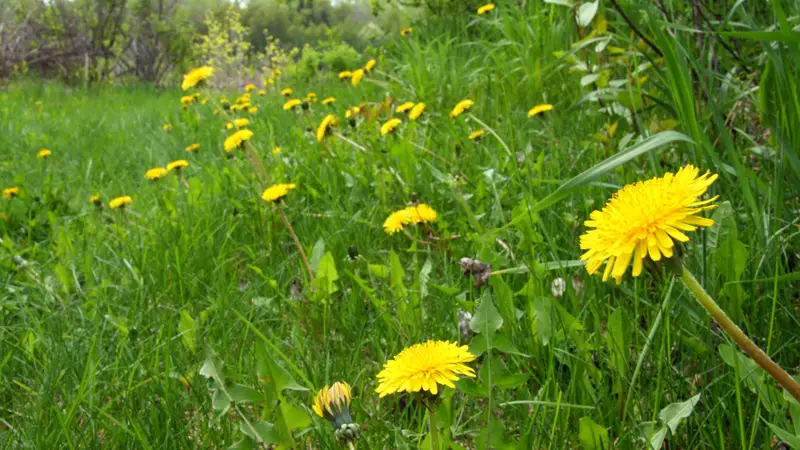
Often seen as a weed, dandelions are completely edible. The leaves, flowers, and roots can all be eaten and are rich in vitamins.
2. Plantain (Plantago)
Common in lawns and paths, plantain leaves can be eaten raw or cooked and have long been used in traditional remedies.
3. Chickweed
This low-growing plant has mild-tasting leaves that can be eaten raw in salads or cooked like spinach.
4. Wild Garlic
Recognizable by its strong garlic smell, this plant can be used much like regular garlic in cooking.
5. Wild Onion
Similar to wild garlic, wild onions can be found in many grassy areas and add flavor to meals.
6. Clover
The leaves and flowers of clover are edible and can be eaten raw or brewed into tea.
7. Lamb’s Quarters
Sometimes called wild spinach, lamb’s quarters are highly nutritious and can be cooked like leafy greens.
8. Purslane
A common garden weed that contains omega-3 fatty acids. Its leaves have a slightly sour flavor.
9. Wood Sorrel
This plant has a lemony flavor and can be eaten raw in small amounts.
10. Nettles
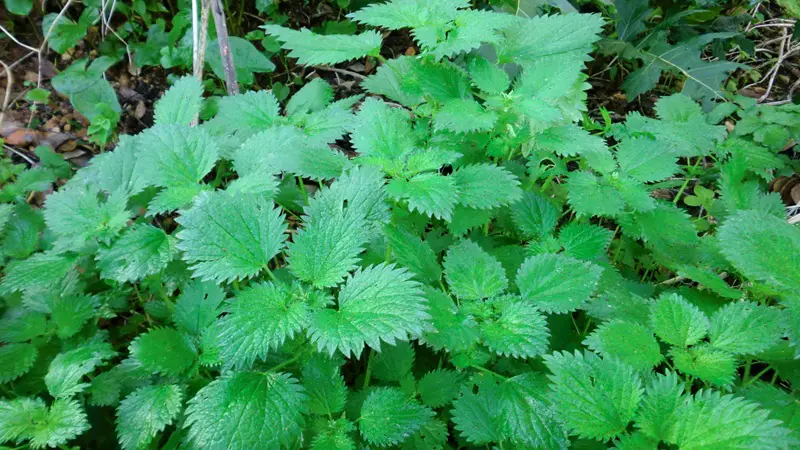
Stinging nettles become safe to eat once cooked and are packed with nutrients.
11. Cattail
Often called the “supermarket of the swamp,” cattails provide edible shoots, roots, and pollen.
12. Wild Strawberries
Smaller than cultivated varieties but just as sweet and edible.
13. Blackberries
Wild blackberry bushes produce nutritious fruit during the summer.
14. Raspberries
Wild raspberries are common in forests and along trails.
15. Blueberries
Many wild blueberry varieties are safe and highly nutritious.
16. Elderberries
These berries must be cooked before eating but are commonly used in syrups and jams.
17. Mulberries
Mulberry trees produce sweet berries that are safe to eat fresh.
18. Wild Grapes
Often found climbing trees and fences, wild grapes can be eaten fresh or used for juice.
19. Rose Hips
The fruit of wild roses is high in vitamin C and can be made into tea or jam.
20. Serviceberries
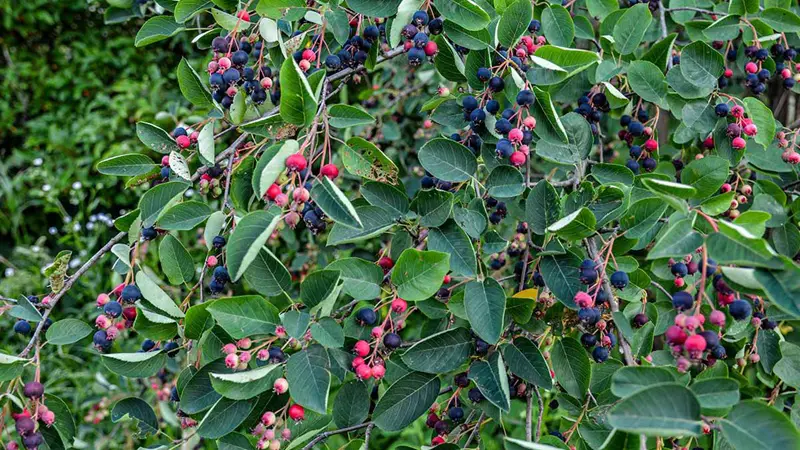
Also called Juneberries, these small fruits taste similar to blueberries.
21. Acorns
Acorns from oak trees can be eaten after proper preparation to remove bitterness.
22. Pine Nuts
Certain pine trees produce edible seeds inside their cones.
23. Hickory Nuts
Hickory trees produce rich, flavorful nuts that are edible.
24. Walnuts
Wild walnut trees produce nuts commonly used in cooking.
25. Beechnuts
Beech trees produce small edible nuts that can be roasted.
26. Hazelnuts
Also called filberts, these nuts grow on shrubs in many regions.
27. Chestnuts
Wild chestnuts can be roasted and eaten.
28. Sunflower Seeds
Wild sunflowers produce edible seeds rich in nutrients.
29. Burdock
The root of the burdock plant can be cooked and eaten.
30. Wild Carrot (Queen Anne’s Lace)
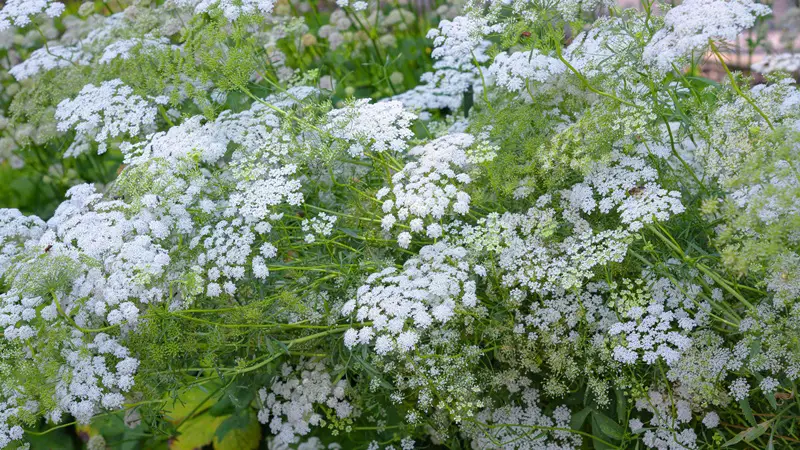
The root is edible but must be carefully identified due to similar toxic plants.
31. Daylilies
Many parts of daylilies are edible, including the flowers and buds.
32. Yucca
The flowers and fruit of yucca plants can be eaten when prepared properly.
33. Prickly Pear Cactus
The pads and fruit of this cactus are edible.
34. Wild Asparagus
Wild asparagus grows in many areas and tastes similar to the cultivated variety.
35. Amaranth
The leaves and seeds of amaranth are edible and highly nutritious.
36. Miner’s Lettuce
A mild leafy green commonly eaten raw.
37. Watercress
Often found near streams, watercress is edible and nutritious.
38. Garlic Mustard
This invasive plant has edible leaves that taste like garlic.
39. Curly Dock
The leaves can be cooked and eaten in moderation.
40. Milkweed
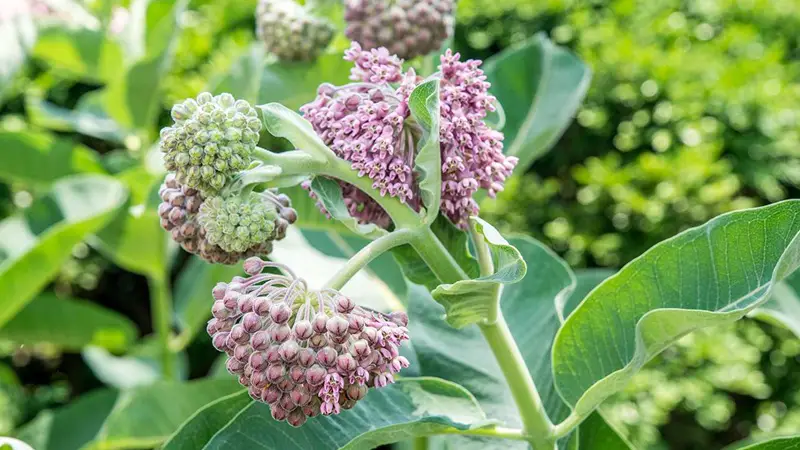
Young milkweed shoots can be eaten when properly prepared.
41. Wild Mint
Wild mint leaves can be used for tea or flavoring food.
42. Sassafras
The roots and leaves have historically been used to flavor drinks and teas.
43. Redbud Flowers
The flowers of the redbud tree are edible and slightly sweet.
44. Wild Plums
These small fruits grow on trees in many regions.
45. Persimmons
Wild persimmons become sweet when fully ripe.
46. Pawpaw
A tropical-tasting fruit native to parts of North America.
47. Hackberries
Small fruits that grow on hackberry trees and can be eaten fresh.
48. Gooseberries
Tart berries that grow on thorny shrubs.
49. Cranberries
Wild cranberries grow in boggy areas and are edible.
50. Thimbleberries
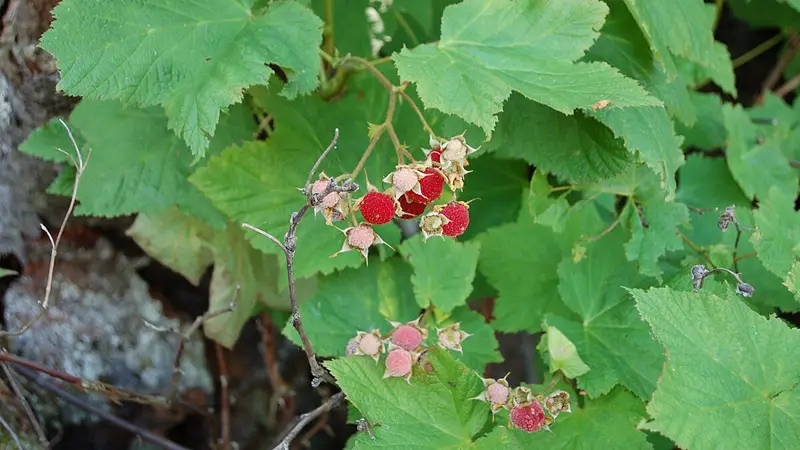
Similar to raspberries but softer and more delicate.
51. Chokeberries
Often used in jams and juices.
52. Wild Apples
Some wild apple trees produce edible fruit.
53. Wild Cherries
Small cherries that grow on native cherry trees.
54. Sumac (Staghorn Sumac)
The berries can be soaked in water to make a refreshing drink.
55. Shepherd’s Purse
The leaves and seeds of this plant are edible.
Safety Tips Before Eating Wild Plants
While many plants in nature are edible, proper identification is absolutely essential before consuming anything you find in the wild. Some edible plants have toxic look-alikes that can cause illness if mistakenly eaten. For that reason, beginners should always take time to study plant identification carefully.
Using a reliable field guide or plant identification resource can help you learn how to recognize key features such as leaf shape, flower patterns, and growth environments. Many experienced foragers also recommend learning from knowledgeable guides or local experts when possible.
Another important rule is to avoid eating plants that grow in areas exposed to pollution. Roadsides, industrial areas, or locations treated with pesticides may contaminate plants and make them unsafe to eat.
When trying a new wild plant for the first time, it’s best to start with a small amount. This helps ensure that you don’t have an unexpected reaction to the plant. With careful identification and responsible harvesting, foraging can be a safe and rewarding skill to learn.
Why Foraging Knowledge Matters in Emergencies
Knowing how to identify edible plants can be an incredibly valuable skill during emergencies or situations where normal food supplies become limited. Natural disasters, supply chain disruptions, or unexpected survival situations can make access to food more difficult.
Foraging knowledge provides an additional layer of preparedness. Many edible plants grow naturally in forests, fields, parks, and even urban environments, meaning that food sources may exist closer than many people realize.
Beyond emergency preparedness, learning about wild edible plants can also deepen your understanding of the natural world. Many traditional cultures relied heavily on local plants for nutrition and medicine, and much of that knowledge still exists today.
Developing basic foraging skills can help people become more self-reliant and aware of the resources that nature provides. Even if these skills are never needed in a survival situation, they offer a valuable connection to the environment and a greater appreciation for the landscapes around us.
Wrap-Up
Wild edible plants have supported human survival for thousands of years. Learning to identify edible plants is not only a useful preparedness skill, it can also help people better understand the environment around them.
Many of the plants listed above grow in surprisingly common places, including parks, trails, forests, and even backyard gardens.
Of course, foraging should always be approached carefully and responsibly. Proper plant identification is essential, and beginners should take time to learn from reliable guides and experienced foragers before consuming any wild plants.
And in a true emergency, that knowledge could prove far more valuable than most people realize.