Fire is one of the most essential survival tools you can have. It provides warmth, a way to cook food, a signal for help, and a sense of security when conditions are unpredictable.
But relying on temporary or poorly controlled fires isn’t always practical, or safe. Building a proper fire pit gives you a reliable, contained source of fire that you can use again and again.
If you’re preparing your home for emergencies or simply want a controlled way to practice fire-making skills, a well-built fire pit turns a basic survival need into something dependable.
Learning how to build a fire pit doesn’t require advanced skills or expensive equipment, just the right approach and attention to detail.
Types of Fire Pits You Can Build
The right choice depends on how you plan to use it: everyday cooking, emergency backup, or long-term resilience. Below are the most practical types, with a focus on durability, efficiency, and real-world use.
In-Ground Fire Pit
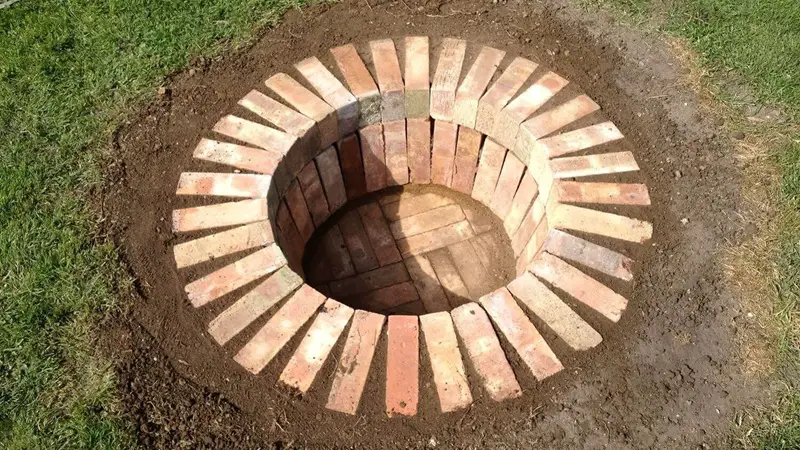
An in-ground fire pit is one of the simplest and most discreet options. It sits below ground level, making it less visible and more protected from wind. Very useful for survival or low-profile situations.
Why it Works
- Lower profile makes it less noticeable and more wind-resistant
- Requires fewer materials and can be built quickly
- Good for basic cooking and heat in a controlled space
Limitations
- Poor drainage can turn it into a water-filled hole if not built properly
- Airflow is more limited, which can make fires harder to maintain
- Not ideal for frequent or heavy use over time
Above-Ground Fire Pit (Stone or Brick)
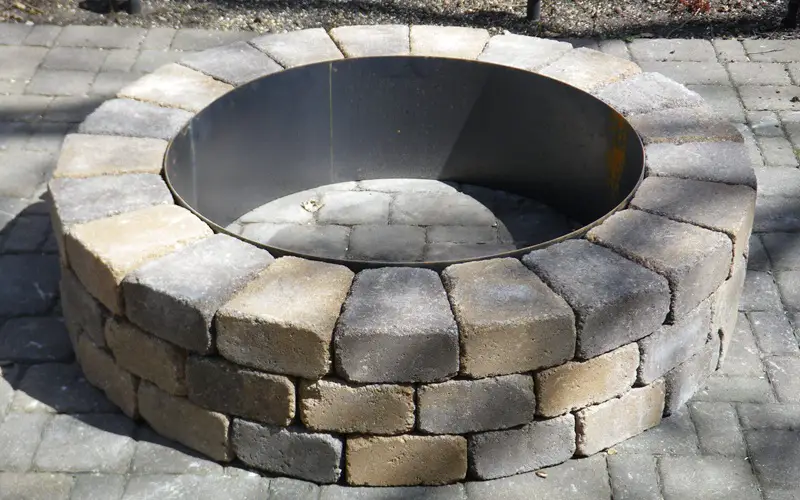
This is the most reliable and long-term option. Built with fire-rated bricks or blocks, an above-ground fire pit gives you a durable, reusable fire source that can handle regular use.
Why it Works
- Strong structure holds heat well and supports consistent fires
- Better airflow means easier ignition and maintenance
- Ideal for repeated cooking, boiling water, and long-term use
Limitations
- Requires more materials and time to build
- More visible and permanent (not low-profile)
- Slightly higher upfront cost
Portable Fire Pit
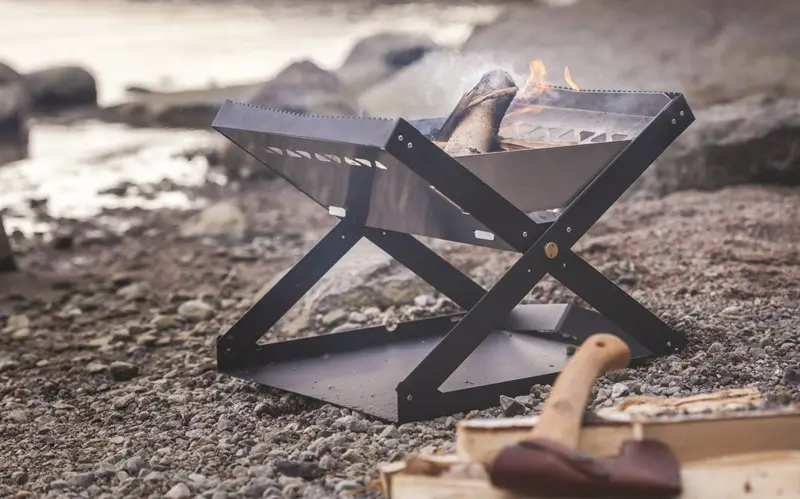
Portable fire pits are ready-made units that can be moved or stored as needed. While not a traditional “build,” they can play a role in a preparedness setup.
Why it Works
- Can be relocated depending on conditions or safety needs
- Useful for temporary setups or backup fire options
- No construction required, ready to use immediately
Limitations
- Less durable over the long term compared to built pits
- Limited size restricts fire capacity and cooking options
- Still dependent on having the unit available and intact
Wood-Burning vs. Gas Fire Pit
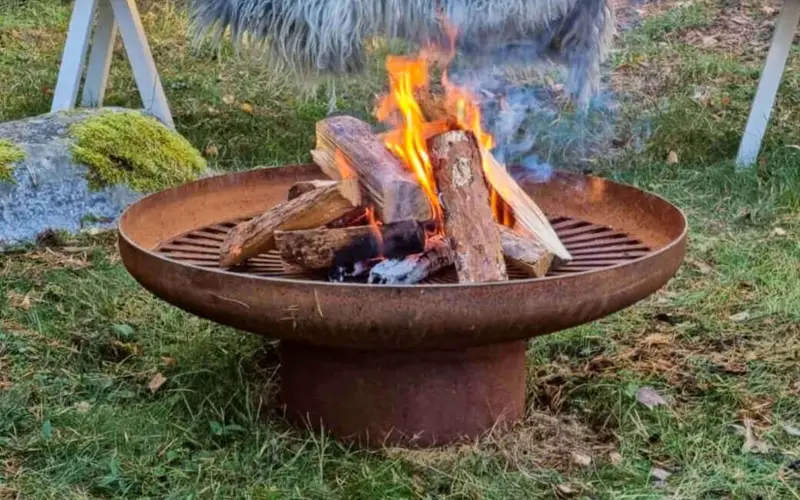
Choosing between wood and gas affects both the build and the experience. This choice is less about structure and more about long-term reliability.
Wood-Burning Fire Pit
- Uses widely available fuel (wood), making it more sustainable in emergencies
- Produces higher heat output for cooking and boiling water
- Works independently of utilities or fuel systems
Gas Fire Pit
- Quick and convenient under normal conditions
- Requires propane or a gas line, which may not be reliable long-term
- Limited usefulness if supply chains are disrupted
Planning Your Fire Pit
A fire pit is only as reliable as the ground it sits on and the decisions made before building it. Poor placement or rushed planning can turn a useful asset into a constant problem; smoke blowing in your face, water pooling inside, or worse, a safety risk.
Choosing the Right Location
Start by thinking beyond convenience. A fire pit should be placed where it can be used safely in different conditions, not just on a calm, perfect evening. Keep a clear distance from your house, fences, and anything that can catch fire.
Heat and stray sparks travel farther than most people expect, especially when wind picks up. Overhead space matters just as much, low branches or coverings can quickly become a hazard. Wind direction is often overlooked, but it makes a big difference.
If smoke constantly blows toward your home or seating area, the fire pit becomes frustrating to use. Spend a few minutes observing how wind moves through your space before deciding on a final spot.
Flat, stable ground is non-negotiable. Even a slight slope can affect how the structure settles over time and how safely it holds a fire.
Getting the Size and Shape Right
Bigger isn’t always better. A fire pit that’s too large becomes inefficient, it requires more fuel, produces uneven heat, and is harder to manage. On the other hand, a pit that’s too small limits what you can do with it.
A practical size for most uses is around 75 to 110 cm (30–44 inches) in inner diameter. This gives you enough room for a steady fire while keeping it controlled. Height matters too, walls that are too low don’t contain heat well, while overly tall walls restrict airflow.
Round fire pits tend to perform better because they allow for more even airflow and are easier to build without precision cutting. Square designs can look cleaner and more structured, but they require more careful alignment.
Understanding Drainage and Ground Conditions
Water will find its way into your fire pit; rain, moisture from the ground, or even humidity over time. Without a proper base, it collects at the bottom, weakening the structure and making it unusable when you actually need it.
The solution is simple but important. Dig down deep enough to remove loose soil and create space for a solid base. A layer of compacted gravel allows water to drain away instead of pooling.
This also stabilizes the structure and prevents shifting as the ground settles. Soil type plays a role here. Dense, clay-heavy ground holds water longer and needs more attention, while sandy soil drains better but still requires compaction for stability.
Tools and Materials Needed for Building Your Fire Pit
Before you begin building your fire pit, make sure you have all the necessary tools and materials ready. This will save you time, prevent interruptions, and make the whole process smoother.
Tools You’ll Need
You don’t need anything fancy, just a few basic tools:
- Shovel: for digging and moving soil
- Tape measure: to mark accurate dimensions
- Level: ensures your fire pit is even and stable
- Rubber mallet: helps position blocks without cracking them
- Hand tamper: for compacting soil and gravel
- String + stakes (optional): useful for marking a perfect circle
Materials You’ll Need
The materials you choose will determine how durable and heat-resistant your fire pit is. Core materials:
- Fire bricks or retaining wall blocks: Designed to handle high temperatures without cracking
- Gravel (crushed stone): Used for the base to improve drainage and stability
- Sand (optional): Helps with leveling the base layer
- Metal fire ring (recommended): Protects the inner wall from direct heat and extends lifespan
- Construction adhesive (heat-resistant): Secures the top layers for added stability
Step-by-Step: How to Build a Fire Pit
Once you’ve chosen your location and gathered your tools and materials, it’s time to start building. The steps below cover a simple above-ground wood-burning fire pit using retaining wall blocks or fire-rated bricks.
Step 1: Mark the Area
Start by outlining the size and shape of your fire pit on the ground. For a round fire pit, place a stake in the center and tie a string to it. Use spray paint or sand to mark a perfect circle around the stake.
Make sure the marked area matches the outer diameter of your fire pit, not just the inner burning area. Take a moment to double-check the placement before digging. It is much easier to adjust now than later.
A common DIY size is around 36 to 44 inches in inner diameter, which gives enough room for a good fire without making the pit too large.
Step 2: Dig the Base
Dig out the marked area to create a stable foundation. A depth of about 6 to 12 inches is usually enough, depending on your design and soil condition. Remove grass, roots, and loose soil so you are working with a clean base.
Try to keep the bottom as level as possible while digging. This will make the next steps much easier. If your ground is soft or uneven, dig a little deeper and add more gravel for extra support.
Step 3: Add and Compact the Gravel Base
Pour a layer of gravel into the bottom of the hole to improve drainage and support. Spread the gravel evenly, then use a hand tamper to compact it firmly. Continue adding and compacting until you have a solid, level base.
You can add a thin layer of sand on top if needed to help with final leveling. This is one of the most important parts of the build. A weak or uneven base can cause the fire pit walls to shift over time. Check the surface with a level from several angles before moving on.
Step 4: Lay the First Layer of Blocks
Place the first ring or row of blocks directly on the compacted base. Work slowly and check each block with a level as you go. This first layer sets the foundation for the entire fire pit, so it needs to be as even and stable as possible.
Adjust blocks by tapping them gently with a rubber mallet. If one block sits too high or low, fix it now rather than trying to correct it later. Dry-fit all the blocks first before using any adhesive.
Step 5: Build Up the Walls
Once the first layer is level, begin stacking the next rows. Stagger the joints so the seams do not line up directly on top of each other. This makes the structure stronger and more visually appealing.
Most DIY fire pits are built 2 to 4 layers high, depending on the size of the blocks and the final look you want. Keep checking for level and alignment as you go. Do not build the walls too high. A height of around 12 to 18 inches is comfortable for both safety and airflow.
Step 6: Install the Metal Fire Ring
If you are using a metal fire ring, place it inside the fire pit once the wall structure is in place. The ring helps protect the blocks from direct heat, which can reduce cracking and extend the life of your fire pit.
Make sure the ring fits snugly without forcing the blocks out of position. Some people leave a small gap between the ring and the blocks to allow airflow and heat expansion. A fire ring is optional, but it is highly recommended for long-term durability.
Step 7: Secure the Top Layer
When you are happy with the layout, use heat-resistant construction adhesive to secure the top row of blocks. Lift one block at a time, apply the adhesive according to the product instructions, and place it back carefully.
This helps prevent movement and gives the fire pit a more finished, permanent feel. Let the adhesive cure fully before lighting your first fire. Only use adhesive on the upper rows if you may want to make future adjustments to the base.
Step 8: Finish the Surrounding Area
After the fire pit itself is complete, clean up the area around it. You can add gravel, pavers, or patio stones around the pit to create a neat and safe sitting area.
This also helps reduce mud, weeds, and loose debris near the fire. If you want to upgrade the space, this is a good time to add chairs, benches, or a simple gravel seating zone.
Step 9: Test It Safely
Before using the fire pit regularly, do a small test burn. Check that the pit feels stable, the fire burns well, and smoke rises properly. Watch for any shifting blocks or drainage issues after the first use.
Start with a small fire instead of filling the pit right away. This gives you a chance to spot any problems early.
Design Ideas and Customization
Once your fire pit is built, the real value comes from how well it works in everyday use. A good setup isn’t just about appearance, it’s about making the fire pit more efficient, more comfortable to use, and adaptable to different situations.
Keeping It Simple and Functional
The most reliable setups are often the simplest. A clean gravel or dirt area around the fire pit reduces fire risk, drains well in wet conditions, and requires almost no maintenance. It also keeps the space usable even if weather conditions aren’t ideal.
Avoid overbuilding or adding materials that can trap moisture or become slippery. The goal is a surface that stays stable, drains well, and doesn’t require constant upkeep.
Building a Usable Seating Area
A fire pit that no one can comfortably sit around won’t get used much. Think about spacing and positioning more than style. Seating should be far enough to stay safe from heat, but close enough to benefit from it, usually about 60 to 90 cm (2–3 feet) from the edge.
Fixed benches can work well if you want a permanent setup, but movable chairs give you flexibility depending on wind direction, group size, or how intense the fire is. Keeping the area open and adjustable makes the fire pit more useful in changing conditions.
Adding Cooking Capability
If your fire pit can’t be used for cooking, you’re missing one of its most important functions. A simple metal grate turns your fire pit into a reliable cooking surface for boiling water, grilling food, or heating supplies.
It doesn’t need to be complicated, something removable and durable is often the best option. More advanced setups, like swing-arm grills, give you better control over heat, but even a basic grate adds a lot of practical value.
Improving Airflow and Heat Efficiency
A fire pit that struggles to burn properly becomes frustrating fast. Small design choices can make a big difference in how well your fire performs.
Leaving slight gaps between blocks or ensuring the base isn’t packed too tightly allows air to feed the fire from below. This results in a cleaner burn, stronger heat output, and less smoke.
Good airflow means less effort to maintain the fire and more consistent results, especially when conditions aren’t ideal.
Fire Pit Safety Tips
A well-built fire pit gives you control, but only if you use it with awareness. Most problems don’t come from the fire itself, they come from small oversights that add up.
Distance and Surroundings Matter
A fire pit should always sit in open space, clear of anything that can catch or hold heat. Heat doesn’t just rise, it spreads outward, especially when wind shifts. Nearby walls, fences, or stacked materials can slowly dry out and become ignition points over time.
Even if nothing happens immediately, repeated use in a tight space increases risk. Give your fire room to breathe. The more open the area, the more predictable and controllable the fire becomes.
Pay Attention to Conditions, Not Just the Fire
A fire that feels controlled in calm weather can behave very differently when conditions change. Wind is the biggest factor. It can carry sparks farther than expected and push heat in unpredictable directions.
Dry conditions make everything around the fire more reactive, even materials that wouldn’t normally ignite. If the weather feels wrong, it usually is. Waiting for better conditions is always the safer choice.
Use the Right Fuel
What you burn directly affects how the fire behaves. Dry, seasoned wood burns hotter, cleaner, and more predictably. It produces less smoke and fewer sparks, which makes the fire easier to manage.
Wet or green wood does the opposite, it smolders, creates heavy smoke, and can send embers drifting. Avoid burning anything treated, painted, or synthetic. It’s not just about smell, it releases harmful fumes and can damage your fire pit over time.
Always Have a Way to Shut It Down
Every fire should have an exit plan. Keep water, sand, or a hose within reach, not somewhere you have to think about or go find.
If something shifts, wind picks up, materials fall, or the fire grows too quickly, you need to respond immediately, not react late. Control is what separates a useful fire from a dangerous one.
Stay Present
A fire pit isn’t something you light and walk away from. Fires change as they burn, wood shifts, embers fall, and heat builds unevenly. Staying nearby allows you to adjust before small issues become real problems.
If children or pets are around, that awareness matters even more. It only takes a moment of inattention for something to go wrong.
Make Sure It’s Fully Out
A fire isn’t finished when the flames disappear. Heat stays trapped in embers and ash long after the visible fire is gone. If left unchecked, it can reignite or continue burning slowly.
Take the time to fully extinguish it, add water, stir the ash, and check for remaining heat. If it’s still warm, it’s still active.
Maintenance and Care
A fire pit isn’t something you build once and forget. If you expect it to work when you need it, especially in less-than-ideal conditions, it has to be kept in usable shape. Neglect is what turns a solid setup into something unreliable.
Keep It Clear and Ready to Use
After a few burns, ash and debris start to build up. Left alone, this blocks airflow and makes it harder to start and maintain a fire. Cleaning it out doesn’t need to be constant, but it should be regular.
A mostly clear base allows oxygen to flow properly, which means stronger, more efficient fires when you need them. Always make sure everything is fully cooled before removing ash, and store it in something non-flammable.
Control Moisture Before It Becomes a Problem
Water is one of the most common reasons a fire pit becomes unusable. If moisture collects inside, it affects everything, from how easily a fire starts to how well materials hold up over time.
Repeated exposure can weaken blocks, shift the base, and create a constant cycle of damp, smoky fires. A simple cover goes a long way, but the real solution is making sure your drainage is doing its job. If water sits after rain, it’s something that needs to be fixed, not ignored.
Watch for Small Changes in Structure
Fire pits don’t usually fail all at once, they wear down gradually. Heat, weather, and repeated use can cause small cracks, loose blocks, or slight shifts in alignment.
These don’t seem urgent at first, but they affect stability and heat distribution over time. Checking your fire pit occasionally and fixing small issues early keeps it reliable. Once the structure starts to move or break down, repairs become more difficult.
Maintain the Base and Interior
The base is what everything depends on. If it settles unevenly or starts to break down, the entire fire pit follows. Over time, gravel can shift or compress, especially after heavy rain or frequent use. Topping it up and re-leveling when needed keeps the structure stable.
Inside the pit, materials take the most direct heat. If you’re using fire bricks or a liner, expect them to wear eventually. Replacing them before they fully fail keeps the rest of the structure protected.
Treat It Like a Tool, Not Decoration
A fire pit that looks good but doesn’t work when you need it isn’t much use. Use it occasionally, even when you don’t have to.
This helps you spot issues early, keeps materials dry, and ensures everything is functioning as expected. A setup that’s been sitting unused for months is more likely to give you problems when it matters.
Cost Breakdown (What It Really Takes)
It’s less about building the cheapest fire pit and more about building one you can rely on. A basic setup can be put together with minimal materials if you keep things simple.
Using standard retaining wall blocks and gravel, you can build a solid, functional fire pit without spending much. This kind of setup works well for occasional use and can be upgraded over time.
A more durable build requires a bit more upfront investment. The difference shows over time. It handles heat better, requires fewer repairs, and stays usable in a wider range of conditions.
Higher-end builds usually add comfort and structure around the fire pit, paved seating areas, built-in benches, or cooking attachments. These improve usability, but they’re not essential. The core function remains the same: a controlled, reliable fire.
In practical terms, most builds fall somewhere in this range:
- A simple, functional fire pit: around €50–€150
- A more durable, long-term setup: around €150–€400
- A fully developed outdoor setup: €400+
Spending more doesn’t always mean better, but cutting corners on the base, materials, or layout usually leads to problems later.
Final Thoughts
A fire pit is one of those things that proves its value over time. It’s easy to build something that works once. It’s harder to build something that works every time you need it. That comes down to how well it’s planned, how solid the base is, and how consistently it’s maintained.
You don’t need a complex setup. You need something stable, predictable, and easy to use under different conditions. Build it right, keep it ready, and it becomes more than just a backyard feature, it becomes a tool you can depend on.