Power outages have a way of happening at the worst possible times. One minute everything is running normally, and the next the lights go out, the internet stops working, and everyday routines suddenly become much more difficult.
For most people, a blackout quickly reveals just how dependent modern life is on electricity. Charging phones, cooking meals, lighting up a dark room, or even paying for basic supplies can become a challenge when the grid goes down.
While most outages only last a few hours, storms, infrastructure failures, and other unexpected events can sometimes leave entire communities without power for much longer. When that happens, small everyday items that people normally overlook can suddenly become incredibly valuable.
20 Everyday Items That Become Priceless
The good news is that preparing for a power outage doesn’t require expensive gear or complicated planning.
In many cases, a handful of simple household items can make a huge difference in keeping your home safer, more comfortable, and easier to manage until the lights come back on.
1. Flashlights
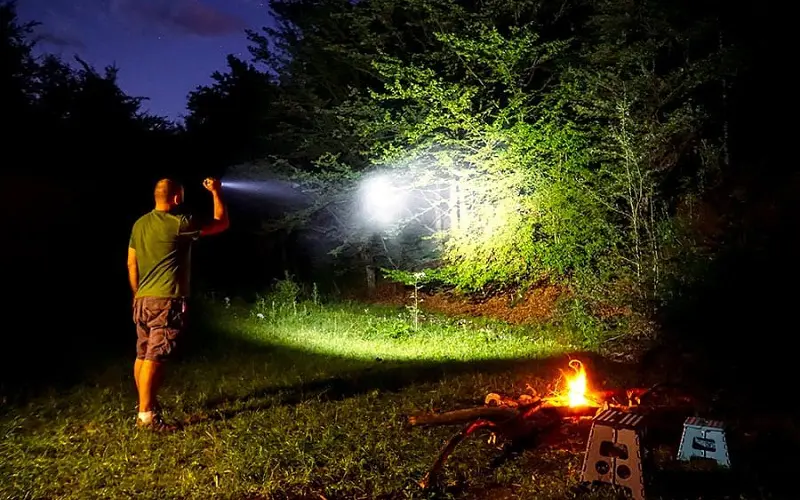
A reliable flashlight is one of the first things people reach for when the power goes out. It provides immediate lighting and helps you safely move around your home in the dark. Keeping at least one flashlight in easy-to-find locations (like a bedside table or kitchen drawer) can make a big difference during an outage.
2. Extra Batteries
Flashlights, radios, and other small emergency devices depend on batteries. Without spare batteries on hand, even the best flashlight won’t help for long. Keeping a small supply of commonly used battery sizes ensures your devices stay powered when you need them most.
3. Battery-Powered Lantern
While flashlights are useful for moving around, lanterns can light up an entire room. They’re especially helpful during extended outages when families gather in one area of the house. A good lantern can provide steady light for several hours.
4. Portable Phone Power Banks
Your smartphone is often the main way to receive updates, contact family members, and access emergency information. A fully charged power bank allows you to recharge your phone even when the power is out.
5. Battery-Powered Radio
When the internet and television go offline, a battery-powered radio can become the only reliable way to receive news and emergency updates. Many emergency radios can pick up local stations as well as weather alerts.
6. Candles and Matches
Candles are a simple and inexpensive backup light source. While they should always be used carefully and never left unattended, they can provide several hours of lighting during an outage.
7. Headlamps

Headlamps are often overlooked, but they’re incredibly useful because they allow you to keep both hands free. Whether you’re cooking, organizing supplies, or checking a fuse box, a headlamp makes tasks much easier in the dark.
8. Bottled Water
Some power outages can temporarily affect water pressure or treatment systems. Keeping bottled water stored at home ensures you have access to drinking water if normal supplies are interrupted.
9. Non-Perishable Food
During a power outage, refrigerators and freezers may stop working, especially if the outage lasts several hours. Shelf-stable foods like canned goods, protein bars, and dried foods can provide easy meals without requiring electricity.
10. Manual Can Opener
Many emergency foods are stored in cans, but without electricity you can’t rely on electric appliances. A manual can opener is small, inexpensive, and easy to forget, until you suddenly need it.
11. Portable Phone Charger or Solar Charger
If an outage lasts longer than expected, solar chargers or portable charging devices can help keep small electronics running. Even limited charging can help maintain communication during extended outages.
12. Cash
During power outages, credit card machines and ATMs may stop working. Having a small amount of cash on hand allows you to buy essential items if digital payment systems are temporarily unavailable.
13. Warm Blankets
If a blackout happens during cold weather, heating systems may stop working. Extra blankets can help keep you warm and comfortable until power is restored.
14. Portable Camping Stove or Grill

Electric stoves won’t work during a power outage, which can make preparing food difficult. A portable camping stove or outdoor grill provides a simple way to cook meals if the outage lasts longer than expected.
15. Power Strip with Surge Protection
When electricity is restored after an outage, power surges can sometimes occur. Surge protectors help protect sensitive electronics like computers, televisions, and routers from damage.
16. Spare Charging Cables
Phone chargers and cables are easy to misplace or break. Keeping spare cables ensures you can still charge devices when power returns or when using backup batteries.
17. First Aid Kit
Accidents can still happen during a blackout, especially when moving around in low lighting. A well-stocked first aid kit allows you to handle minor injuries quickly.
18. Cooler with Ice Packs
If the power is out for several hours, refrigerators may stop keeping food cold. A cooler with ice packs can help preserve important food items or medications that need refrigeration.
19. Emergency Light or LED Lantern

LED emergency lights are efficient and can run for many hours on a single set of batteries. They are especially useful for lighting up living spaces during extended outages.
20. A Fully Charged Phone
It may sound obvious, but making sure your phone is charged whenever severe weather or potential outages are expected can be extremely helpful. Your phone may be the primary way to receive updates and communicate with others during an emergency.
Why Power Outages Happen More Often Than People Think
Many people assume power outages only happen during major storms or natural disasters. While severe weather is one of the most common causes, blackouts can occur for many different reasons, and sometimes without much warning.
Strong winds, lightning strikes, heavy snow, and falling trees regularly damage power lines and electrical equipment. Even a single damaged transformer or downed line can knock out electricity for entire neighborhoods while crews work to repair the problem.
Equipment failure is another common cause. Much of the electrical infrastructure in many countries was built decades ago, and aging equipment can occasionally fail or require maintenance that leads to temporary outages.
Power demand can also strain the grid during periods of extreme heat or cold. When millions of households run air conditioners or heating systems at the same time, the increased demand can sometimes overload parts of the system.
Because modern life relies so heavily on electricity, even a short disruption can quickly become inconvenient. That’s why having a few simple supplies prepared ahead of time can make dealing with a blackout far easier and less stressful.
Wrap-Up
Most power outages are temporary and resolved within a few hours, but even short blackouts can disrupt daily routines in ways many people don’t expect. Without electricity, simple tasks like lighting a room, charging devices, cooking food, or accessing information suddenly become more difficult.
The good news is that preparing for a blackout doesn’t require expensive equipment or complicated planning. In many cases, a few inexpensive household items can make a significant difference in keeping your home comfortable and functional until power is restored.