Canning is one of the most reliable ways to preserve food for long-term storage. It allows you to store fruits, vegetables, and other foods without relying on refrigeration or constant access to grocery stores.
However, one of the most important steps in the canning process is often overlooked, properly sterilizing jars. Sterilizing jars helps eliminate bacteria, mold, and other microorganisms that could spoil food or make it unsafe to eat.
Even small amounts of contamination can affect the quality and safety of canned goods, especially when food is stored for long periods. Proper sterilization helps ensure that your stored food remains safe, usable, and free from spoilage when you need it most.
Do You Always Need to Sterilize Jars?
The answer depends on how the jars will be processed. If you are using a method where filled jars are processed in boiling water or a pressure canner for 10 minutes or longer, the jars are typically sterilized during the canning process itself.
In these cases, separate sterilization beforehand may not be strictly required. However, if the processing time is less than 10 minutes, sterilizing the jars beforehand is important to ensure that harmful microorganisms are removed before sealing.
Even when sterilization is not strictly required, many experienced canners still recommend doing it as an extra safety step, especially when preparing food for long-term storage or emergency use.
It’s also important to remember that jars should always be clean, hot, and ready to use before adding food. Sudden temperature changes can cause glass to crack, so keeping jars warm until they are filled is a key part of safe canning.
4 Methods to Sterilize Jars Before Canning
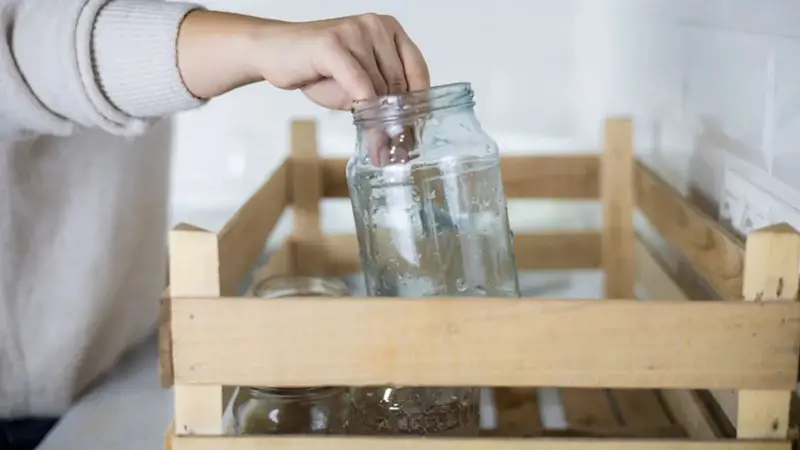
Taking a few extra minutes to sterilize jars correctly can make a significant difference in both food safety and shelf life.
Method 1: Boiling Water Method
The boiling water method is the most widely used and reliable way to sterilize jars for canning. It requires only basic kitchen equipment and is suitable for both beginners and experienced canners.
To start, wash your jars thoroughly with warm, soapy water and rinse them well. This step removes any dirt, dust, or residue before sterilization. Next, place the clean jars in a large pot and fill it with enough water to completely cover the jars.
Make sure there is at least 1–2 inches of water above the jars. Bring the water to a full boil and allow the jars to boil for at least 10 minutes. If you are at a higher altitude, you may need to add an extra minute or two to ensure proper sterilization.
Once the jars have finished boiling, leave them in the hot water until you are ready to use them. Carefully remove each jar using jar lifters or tongs, allowing excess water to drain out.
It’s important to keep the jars hot until they are filled. Adding hot food to a cold jar can cause the glass to crack due to sudden temperature changes. This method is especially popular because it is simple, effective, and does not require any special equipment beyond a large pot.
Method 2: Oven Sterilization Method
The oven method is another way to sterilize jars, especially when you need to prepare multiple jars at once. While it is not as commonly recommended as boiling, many people still use it as a practical option when done correctly.
Start by washing your jars thoroughly with warm, soapy water and rinsing them well. Preheat your oven to a low temperature of around 225°F (about 110°C). This temperature is hot enough to help sterilize the jars without risking damage to the glass.
Place the clean jars upright on a baking tray and put them in the oven. Allow the jars to heat for at least 15–20 minutes. This process helps eliminate moisture and reduces the presence of microorganisms.
Keep the jars in the oven until you are ready to fill them. Just like with other methods, it’s important that jars remain hot when adding hot food to prevent cracking.
Important: Do not place canning lids in the oven. The sealing compound on lids can be damaged by dry heat. Lids should instead be warmed gently in hot (not boiling) water.
The oven method can be useful when preparing a large batch of jars, but it’s important to follow proper temperatures and handling to ensure safety.
Method 3: Dishwasher Method
The dishwasher method is one of the easiest ways to prepare jars for canning, especially if you are already running a load of dishes. While it may not always be considered full sterilization in every situation, it can be effective when using a high-temperature wash cycle.
Start by placing clean jars in the dishwasher without any leftover food residue. Use the hottest wash and dry cycle available, preferably one labeled “sanitize” if your machine has that option. Avoid using strong detergents that may leave residue inside the jars.
Once the cycle is complete, leave the jars inside the closed dishwasher to keep them hot until you are ready to use them. Removing jars too early can cause them to cool down, which increases the risk of cracking when hot food is added.
This method is especially useful when you are processing jars for 10 minutes or longer, as the canning process itself will complete the sterilization.
Method 4: Steam Sterilization Method
Steam sterilization is another effective method that uses high-temperature steam to clean jars. This method is similar to boiling but can be more efficient when preparing larger batches.
To begin, fill a large pot with a small amount of water and place a rack or steaming insert inside. Arrange the clean jars upright on the rack, making sure they are not directly touching the bottom of the pot.
Bring the water to a boil so that steam begins to circulate around the jars. Cover the pot with a lid and allow the jars to steam for about 10–15 minutes.
The hot steam works to kill microorganisms while keeping the jars heated and ready for use. As with other methods, leave the jars in the pot until you are ready to fill them to maintain their temperature.
Steam sterilization is a practical option because it uses less water than full boiling and can handle multiple jars efficiently.
How to Handle Lids and Rings
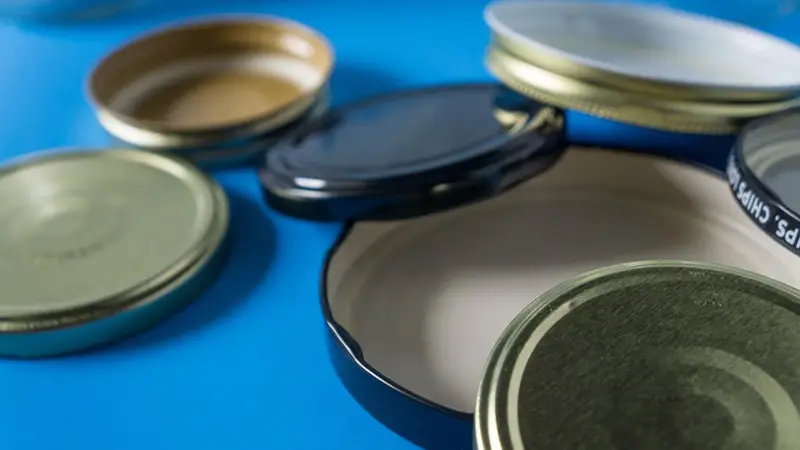
While sterilizing jars is important, properly handling lids and rings is just as critical for safe canning. These components are responsible for creating a proper seal that keeps air and bacteria out of your stored food.
Unlike jars, canning lids should not be boiled aggressively. Modern lids contain a sealing compound that can be damaged by high heat if boiled for too long.
Instead, lids should be placed in hot (not boiling) water for a few minutes before use. This helps soften the sealing compound and ensures a better seal when the jar is closed.
Rings (also called bands) do not come into direct contact with the food, so they do not need to be sterilized in the same way as jars. However, they should still be washed thoroughly with warm, soapy water and dried before use.
When assembling your jars:
- Place the warm lid on top of the filled jar
- Screw the ring on until it is finger-tight (not overly tight)
- Avoid over-tightening, as air needs to escape during the canning process
After processing, the lid should form a vacuum seal as the jar cools. The ring’s job is simply to hold the lid in place during processing, it does not create the seal itself.
Common Mistakes to Avoid
Even when using the right methods, small mistakes during the canning process can affect safety and results. Being aware of these common issues can help ensure your jars are properly sterilized and your food stays safe for long-term storage.
One common mistake is using cold jars with hot food. Sudden temperature changes can cause glass jars to crack or break. Always keep jars hot until they are ready to be filled.
Another mistake is touching the inside of jars or lids after sterilizing them. This can reintroduce bacteria and defeat the purpose of sterilization. Always handle jars carefully by the outside or use clean tools.
Some people also make the mistake of letting jars cool before filling them. Warm jars are less likely to crack and help maintain proper temperatures during the canning process.
Skipping sterilization altogether when it is required, especially for shorter processing times, is another risk. Even if it seems like a small step, proper sterilization plays a key role in food safety.
Finally, improper lid handling, such as boiling lids or tightening rings too much, can prevent jars from sealing correctly.
Wrap-Up
Sterilizing jars is a simple but essential step in safe and effective canning. Whether you are preserving food for everyday use or preparing for long-term storage, proper sterilization helps protect your food from contamination and spoilage.
Learning how to sterilize jars properly is a valuable skill. It allows you to preserve food safely, reduce waste, and build a dependable food supply that does not rely on constant access to stores.
In the end, canning is not just about storing food; it’s about preserving resources, building resilience, and having the knowledge to take care of your household in any situation.