Recent events in the Middle East have suddenly made headlines around the globe, and not just for geopolitics.
Iran has launched a wave of drone strikes against Saudi Arabia’s Ras Tanura oil refinery and other critical energy infrastructure, marking a major escalation in the ongoing conflict following U.S. and Israeli strikes on Iranian targets.
While Saudi authorities were able to intercept the drones and a fire was quickly contained, the massive oil complex was shut down as a precaution.
At the same time, other Gulf energy facilities, including in Qatar and Israeli offshore gas fields, have been disrupted, prompting shutdowns and halted exports.
Why This Matters Right Now
This isn’t just “foreign news”, it’s a situation with very real economic consequences for Americans.
The Middle East supplies a critical share of the world’s oil and gas, and any disruption can rattle global markets. In response to the latest attacks:
- Oil prices surged sharply: with benchmark Brent crude spiking as much as 13% intraday and settling significantly higher.
- Natural gas futures jumped more than 40% in Europe after QatarEnergy halted LNG (liquefied natural gas) production due to the strikes.
These are not trivial moves. Energy markets are extremely sensitive to fear, uncertainty, and supply disruption; and right now, all three are present.
How This Could Impact U.S. Gas Prices
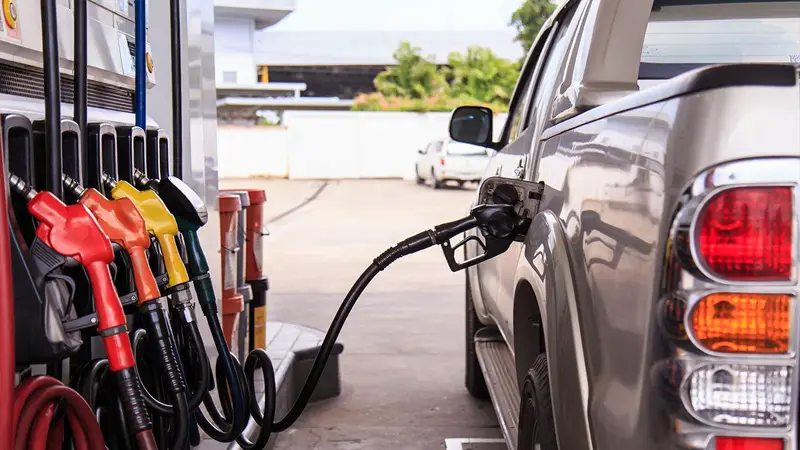
Americans may see rising fuel prices at the pump sooner than they expect. The U.S. energy market is not completely dependent on Middle Eastern oil, but it is tied into the global pricing system.
When crude prices jump overseas, refiners here either pay more or compete with overseas consumers for the same product. Analysts say that a $10 rise in crude typically adds ~25¢ per gallon to gasoline costs.
Meanwhile, supply chain stress and insurance spikes for tankers navigating the Strait of Hormuz, a chokepoint through which about 20% of the world’s oil supply transits, are already contributing to higher shipping costs.
If tanker traffic remains disrupted or supply remains down, analysts warn oil could head toward $100 per barrel or more, with the potential to significantly impact gasoline and diesel prices globally.
Why Preppers Should Care
For those focused on preparedness and survival readiness, the economic ripple effects matter just as much as the literal conflict. Here’s why:
- Fuel is the lifeblood of modern logistics: Trucks, farm equipment, generators, home deliveries, grocery supply chains (all depend on affordable gasoline and diesel).
- Inflation already strains household budgets: Higher fuel costs can feed into rising prices for goods, services, and transportation.
- Energy volatility can affect power grids: Spikes in natural gas prices can increase electricity costs and stress heating supply during extreme weather.
Preparedness isn’t just about stockpiling food and water, it’s about understanding how geopolitical events can affect supply chains, prices, and access to essentials that most people take for granted.
Scenarios to Watch And Prep For
Here are some potential developments and recommended prep considerations:
- Oil prices continue climbing: Monitor weekly fuel prices; consider storing limited fuel safely if you rely on generators or vehicles.
- Shipping disruptions worsen: Anticipate increased delivery delays for goods.
- Market panic & inflation spread: Prioritize essential purchases now before costs rise further.
- Strait of Hormuz blockade or escalation: A prolonged disruption could dramatically push prices beyond recent levels.
Bottom Line
The attack on Saudi oil infrastructure has already roiled energy markets and highlighted how closely linked fuel prices are to geopolitical stability.
While immediate domestic gasoline supply hasn’t yet run short, the upward pressure on oil and gas prices could translate to higher pump prices, higher costs for goods and services, and increased inflation risk for U.S. consumers.
For preppers and everyday Americans alike, this means staying informed, monitoring fuel and energy markets, and planning for short-term volatility that could affect everyday expenses.
What’s your take? Are you already seeing higher gas prices where you live? Comment below and share this with someone who needs to read it.