When it comes to survival, understanding priorities can make a life-saving difference. In stressful situations, people often focus on the wrong problems first.
Survival experts often use a simple guideline known as the survival rule of 3 to explain what matters most when facing life-threatening conditions. This rule highlights the approximate time a person can survive without several critical necessities.
The rule of 3 is not an exact scientific formula, but it serves as a practical reminder of how quickly certain needs become dangerous if they are not addressed.
Wilderness Survival Rule of 3 Explained
The Rule of 3 highlights four basic needs that determine how long a person can survive in extreme conditions.
While the exact time may vary depending on health, environment, and circumstances, this guideline helps prioritize what matters most when facing an emergency.
Three Minutes Without Air
Air is the most immediate survival need. The human brain requires a constant supply of oxygen to function properly. Without oxygen, brain cells begin to suffer damage within minutes, and survival becomes extremely unlikely after only a short period of time.
Situations that restrict breathing can occur in many ways, including drowning, suffocation, smoke inhalation, or exposure to toxic gases. In survival situations, maintaining access to breathable air is always the first priority.
For example, in a fire or disaster scenario, smoke inhalation can quickly become life-threatening. Even if flames are not immediately nearby, smoke can reduce oxygen levels and introduce dangerous chemicals into the air.
This is why emergency response training often emphasizes airway, breathing, and circulation as the first steps in life-saving procedures. Without oxygen, no other survival efforts matter.
Three Hours Without Shelter (in Extreme Conditions)
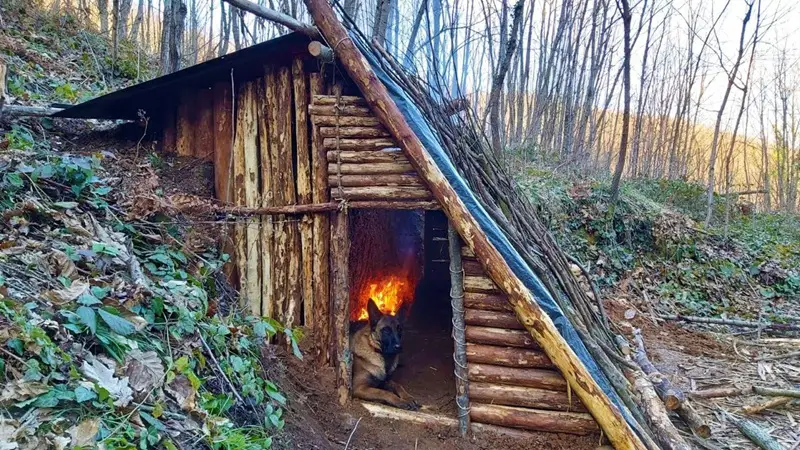
While people can survive much longer than three hours without shelter in comfortable weather, the rule refers to extreme environments where exposure can quickly become deadly.
Severe cold, intense heat, strong wind, or heavy rain can cause the body to lose its ability to regulate temperature. In cold environments, hypothermia can begin when the body loses heat faster than it can produce it.
In hot environments, heat exhaustion or heat stroke can occur if the body overheats. Shelter protects you from these environmental dangers by reducing exposure to wind, precipitation, and temperature extremes.
Even simple shelters, such as a lean-to made from branches or a natural rock overhang, can dramatically improve survival chances.
In wilderness survival training, finding or building shelter is often one of the first tasks after ensuring safety. A good shelter conserves body heat, keeps you dry, and allows you to rest while planning your next steps.
Three Days Without Water
Water is essential for nearly every function in the human body. It helps regulate body temperature, transport nutrients, remove waste, and maintain normal organ function.
Without adequate water, dehydration begins to affect both physical and mental performance. Symptoms such as fatigue, dizziness, confusion, and reduced coordination can appear quickly.
In hot environments or during physical activity, dehydration can develop even faster. Sweating causes the body to lose fluids rapidly, which increases the need for water.
This is why survival experts place such a strong emphasis on finding and purifying water in emergency situations. Natural sources like rivers, lakes, and rainwater can provide hydration, but they often require purification to remove harmful microorganisms.
Carrying water purification tools, such as filters or tablets, can make a significant difference in survival scenarios.
Three Weeks Without Food

Food provides the body with energy and nutrients needed for long-term survival. However, the human body is surprisingly capable of surviving without food for extended periods compared to other needs.
Most people can survive several weeks without eating, especially if they have access to water and are not exposed to extreme conditions. During this time, the body begins using stored fat and energy reserves to maintain basic functions.
That said, lack of food eventually leads to weakness, reduced immune function, and decreased mental clarity. Over time, starvation can severely weaken the body and make it harder to perform essential survival tasks.
In many survival situations, food becomes more important after the immediate priorities have been addressed. Foraging, fishing, trapping, or rationing stored food supplies can help extend survival during longer emergencies.
Why the Survival Rule of 3 Matters in Real Emergencies
It helps people understand how to prioritize their actions when facing life-threatening situations. In emergencies, time and energy are limited, and focusing on the wrong problem can make conditions worse.
For example, someone stranded in the wilderness might immediately start searching for food, even though food is not the most urgent need.
This principle is also useful during natural disasters, power outages, and other emergencies where basic services may be disrupted. Understanding survival priorities helps people stay calm and make more effective decisions rather than reacting impulsively.
Emergency responders, outdoor survival instructors, and preparedness experts often teach the survival rule of 3 because it simplifies complex survival concepts into an easy-to-remember framework.
In stressful situations, having a clear set of priorities can help people respond quickly and efficiently. By remembering the survival rule of 3, individuals can better assess their environment and focus on the actions that will most improve their chances of staying safe.
How Preppers Use the Survival Rule of 3 to Plan Supplies

Many people who practice preparedness use the survival rule of 3 as a foundation for planning emergency supplies. The concept helps determine which resources should be prioritized when building emergency kits or preparing for potential disruptions.
For example, since water becomes critical within a few days, many preparedness experts recommend storing at least several days’ worth of drinking water for each person in a household.
Water filtration systems, purification tablets, and containers for collecting rainwater are also common additions to emergency supplies.
Shelter and protection from the environment are another major priority. Preppers often store items such as emergency blankets, tarps, sleeping bags, and weather-resistant clothing to help protect against extreme conditions.
While food is important for longer-term survival, it usually comes after these more urgent needs. Many emergency preparedness plans include shelf-stable foods such as canned goods, freeze-dried meals, or grains that can last for extended periods.
Final Thoughts
The survival rule of 3 is a simple but powerful concept that helps highlight the basic needs required for human survival. By understanding how long a person can survive without air, shelter, water, and food, individuals can better prioritize their actions during emergencies.
While the exact survival times can vary depending on conditions, the rule serves as a helpful reminder of what matters most when facing difficult situations. Learning and remembering the rule of 3 can also help people approach preparedness in a more organized way.
In the end, survival often comes down to knowledge, preparation, and the ability to stay calm under pressure, and the survival rule of 3 offers a simple guide to help people focus on what truly matters.