For thousands of years, humans relied on these basic skills to survive in challenging environments. While modern conveniences have reduced our daily need for them, the knowledge itself remains just as important.
Learning survival skills doesn’t mean preparing for the worst possible scenario. Instead, it’s about becoming more capable, self-reliant, and prepared to handle unexpected situations.
Take a look at essential survival skills that everyone should consider learning. Even mastering a few of these skills can make a significant difference in an emergency.
Finding and Purifying Water
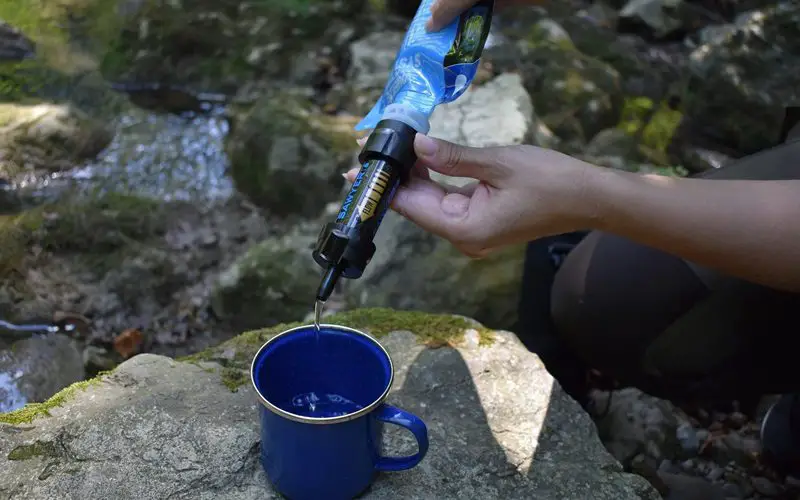
Water is the most immediate survival priority after basic safety. While humans can survive several weeks without food, most people can only last about three days without water. In many survival situations, dehydration becomes a serious threat long before hunger.
The first step is knowing how to locate potential water sources. Natural sources such as rivers, streams, lakes, springs, and even collected rainwater can provide hydration in an emergency.
In some environments, moisture may also be found in plants, morning dew, or by digging shallow wells near damp ground. However, water found in the wild is rarely safe to drink without treatment.
Bacteria, parasites, and harmful microorganisms can cause serious illness. For this reason, purifying water is just as important as finding it. Boiling is one of the most reliable purification methods.
Bringing water to a rolling boil for at least one minute can kill most harmful pathogens. Other methods include portable water filters, purification tablets, and improvised filtration systems using cloth or natural materials.
Building a Basic Survival Shelter
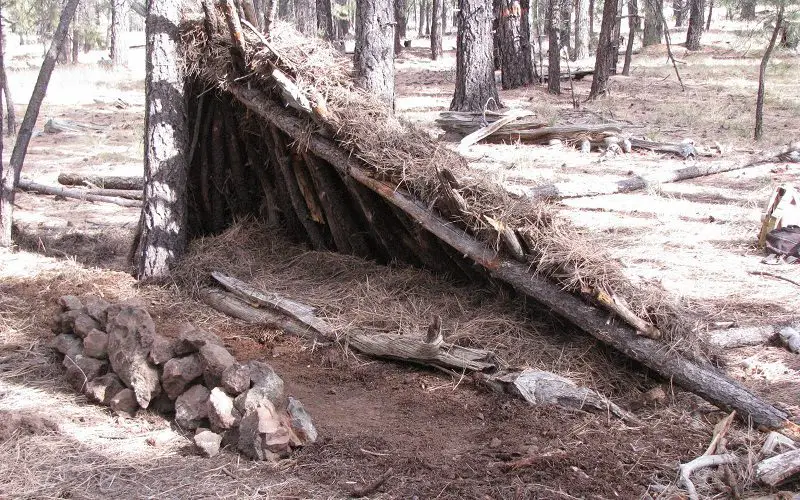
Exposure to extreme weather can quickly become life-threatening, which makes shelter another critical survival priority. Protecting yourself from wind, rain, cold temperatures, or intense sun helps maintain body temperature and conserve energy.
A basic survival shelter does not need to be complicated. In many situations, the goal is simply to create a barrier between yourself and the elements. Natural materials such as branches, leaves, grass, and fallen logs can often be used to construct simple but effective shelters.
One common option is the lean-to shelter, where branches are angled against a sturdy support like a fallen tree or rock formation and then covered with additional vegetation for insulation.
Another option is a debris shelter, which uses thick layers of leaves, grass, and branches to trap body heat. Location also plays an important role. Shelters should be built on dry ground, away from potential hazards like falling branches or flood-prone areas.
Even a simple shelter can significantly improve survival chances by protecting against the elements and helping maintain body heat during the night.
Starting a Fire Without Modern Tools

Fire is one of the most valuable survival tools in the wilderness. It provides warmth, allows you to cook food, purify water, dry clothing, and signal for help. In cold environments, fire can also help prevent hypothermia.
While matches and lighters are convenient, survival situations may require starting a fire using more primitive methods. Learning multiple ways to create fire can make you far more prepared if modern tools are unavailable.
One common method is using a ferrocerium rod (fire starter), which produces hot sparks when struck with a metal edge. These sparks can ignite dry tinder such as grass, bark, or cotton.
More traditional methods include friction-based techniques like the bow drill, where a spinning wooden spindle creates heat through friction until a glowing ember forms.
Regardless of the method used, successful fire building requires three main components: tinder, kindling, and fuel wood. Tinder catches the initial spark, kindling helps grow the flame, and larger wood keeps the fire burning.
Navigating Without GPS or Modern Technology
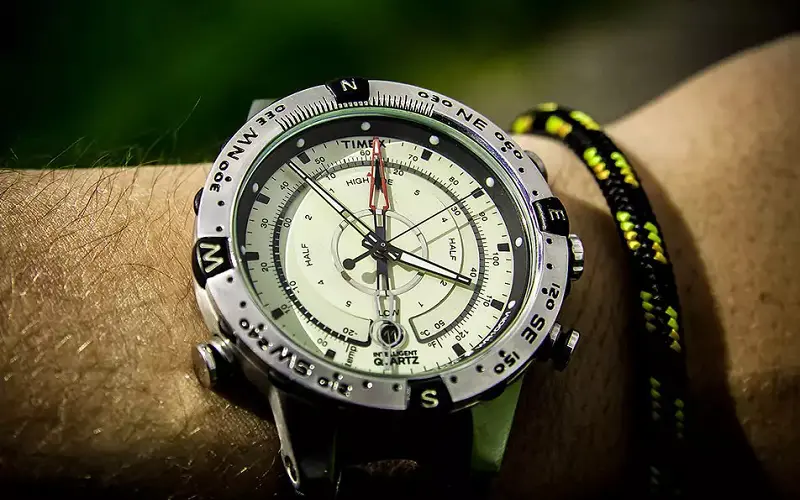
Modern navigation tools like smartphones and GPS devices have made travel easier than ever, but they are not always reliable in survival situations.
Batteries can die, signals may be unavailable, and devices can break or be lost. Knowing how to navigate without technology is an important survival skill that has been used for centuries.
One of the most reliable tools for navigation is a map and compass. Learning how to read a topographic map and understand compass directions can help you determine your location and plan safe routes through unfamiliar terrain.
In situations where a compass is unavailable, natural navigation techniques can also be helpful. The sun’s position can give clues about direction during the day, generally rising in the east and setting in the west.
At night, certain stars can help with orientation, such as the North Star in the Northern Hemisphere. Natural landmarks like rivers, mountain ridges, and valleys can also guide movement and help maintain a sense of direction.
Identifying Edible Plants and Wild Food Sources
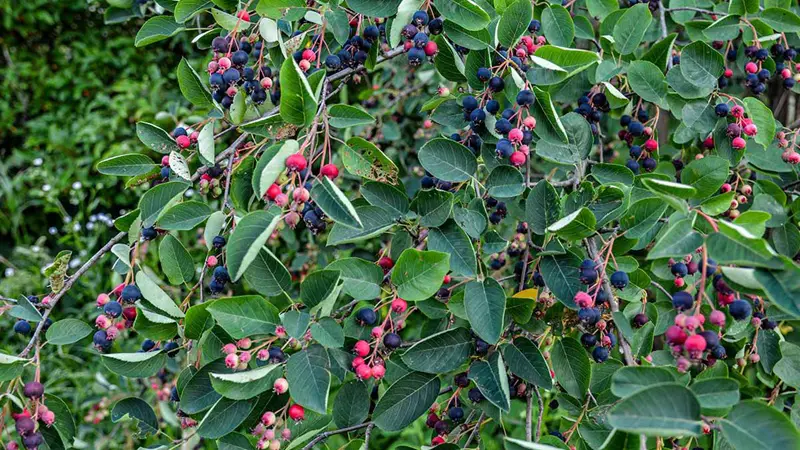
Knowing how to find food in the wild can become an important survival skill during extended emergencies. While people can survive much longer without food than water, having access to calories and nutrients helps maintain strength and mental clarity.
Many edible plants grow naturally in forests, fields, and even urban areas. Plants such as dandelion, cattail, clover, and lamb’s quarters are surprisingly common and have been used as food sources for generations. In addition to plants, survival foragers may also gather berries, nuts, roots, and other natural foods.
However, correct identification is critical. Some edible plants have toxic look-alikes that can cause illness if consumed. Learning plant characteristics such as leaf shape, flower patterns, and growth environments can help reduce this risk.
A helpful rule for beginners is to avoid eating any plant that cannot be positively identified. Field guides, foraging books, and experienced mentors can help build confidence in identifying safe food sources.
Basic First Aid and Treating Injuries
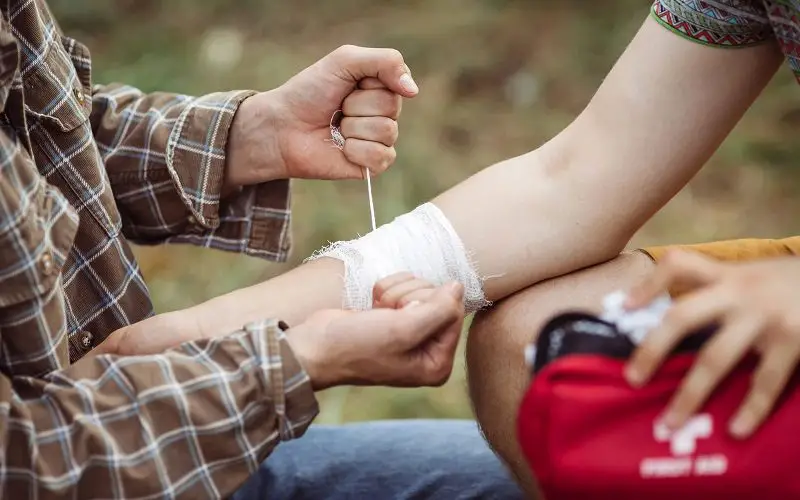
In emergency situations, access to professional medical care may not be immediately available. Knowing basic first aid can help stabilize injuries, prevent infections, and protect health until proper treatment becomes possible.
Some of the most important first aid skills include cleaning and dressing wounds, controlling bleeding, and recognizing signs of shock or dehydration. Even minor injuries can become serious if left untreated, especially in remote environments.
A simple first aid kit can be extremely valuable and may include items such as bandages, antiseptic wipes, gauze, medical tape, and pain relievers.
However, survival situations may also require improvisation using available materials if standard supplies are not available. Learning how to properly clean wounds, stop bleeding using pressure, and support injured limbs can greatly improve survival outcomes.
First aid knowledge is not only useful in wilderness survival scenarios but also during natural disasters, accidents, or everyday emergencies.
Signaling for Rescue

In many survival situations, the ultimate goal is not to live indefinitely in the wilderness but to be found and rescued as quickly as possible.
Knowing how to signal for help can significantly increase the chances of being located by search teams, aircraft, or nearby travelers. One of the most effective signals is fire.
A bright fire produces both light and smoke, making it visible from a distance. In daytime conditions, adding green leaves or damp vegetation to a fire can create thicker smoke that is easier to spot from the air.
Another useful signaling method is creating large ground signals that can be seen from above. Arranging rocks, branches, or logs in large shapes such as arrows or the universal distress signal “SOS” can help rescuers identify your location.
Reflective signals can also be effective. Mirrors, shiny metal, or reflective surfaces can be used to flash sunlight toward aircraft or distant observers.
Whistles are another valuable signaling tool because they require less energy than shouting and can be heard from far away.
Trapping and Fishing for Food

While foraging for plants can provide valuable nutrition, animal protein can also become an important food source during extended survival situations.
Learning basic trapping and fishing techniques can help provide calories and essential nutrients when other food supplies are limited.
Fishing is often one of the most efficient ways to obtain food in the wild, especially near lakes, rivers, or coastal areas. Even simple fishing gear, such as a line, hook, and improvised bait, can produce reliable results in the right environment.
Trapping small animals is another traditional survival technique. Simple traps and snares can be constructed using cordage, wire, or natural materials. These traps work passively, meaning they continue to function even while you focus on other survival tasks.
It’s important to remember that trapping requires knowledge of animal behavior and local wildlife patterns. Setting traps along well-used animal paths or near water sources increases the likelihood of success.
Improvising Tools and Equipment

In many survival situations, the tools you have available may be limited or damaged. Knowing how to improvise tools using natural materials or everyday objects can make it much easier to perform essential survival tasks.
Improvised tools can include simple items such as sharpened sticks used as spears, carved wooden containers, or stone cutting tools. Even basic cordage made from plant fibers can be used to tie shelters, create traps, or repair equipment.
For example, vines, roots, and certain tree bark fibers can be twisted together to create surprisingly strong rope. Rocks can be shaped into cutting edges, and branches can be carved into digging tools or cooking utensils.
Improvisation also involves using items creatively. A plastic bottle can become a water container, a metal can may serve as a cooking pot, and clothing can be repurposed as bandages or insulation.
Developing the ability to adapt and use available resources creatively is a key part of survival thinking. Often, it is not the equipment you carry that determines success, but how resourcefully you use what is around you.
Building and Maintaining a Survival Fire
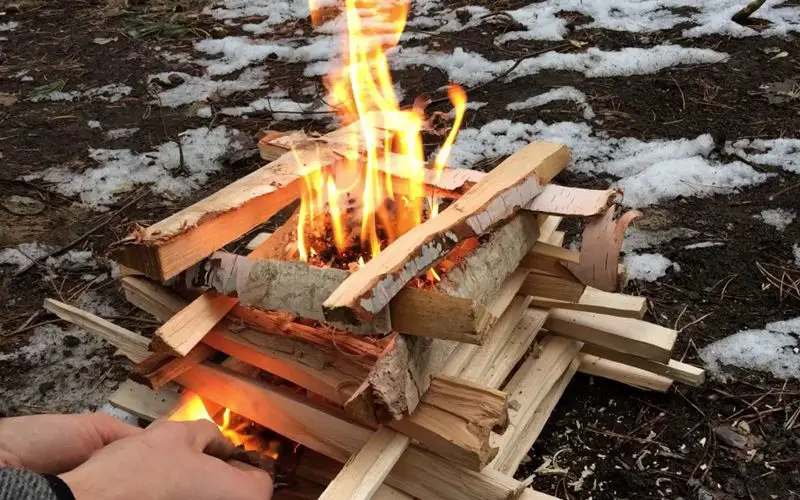
Starting a fire is an important survival skill, but knowing how to build and maintain a reliable fire is just as critical. A poorly built fire may burn out quickly, produce too much smoke, or fail to provide enough heat for cooking and warmth.
A successful survival fire begins with the right structure. One of the most common methods is the teepee fire, where small sticks are arranged around tinder in a cone shape.
This structure allows air to flow easily and helps the fire ignite quickly. Another useful structure is the log cabin fire, where larger pieces of wood are stacked in a square pattern, allowing the fire to burn longer and more steadily.
Maintaining a fire requires gradually adding larger fuel as the flames grow stronger. Dry wood burns best, while damp wood often creates smoke and burns inefficiently.
Fire placement also matters. Building a fire in a sheltered location can protect it from wind, while surrounding the fire with stones can help contain heat and prevent it from spreading.
A well-maintained fire can provide warmth, light, a way to cook food, and even a signal for rescue during survival situations.
Reading Weather and Environmental Signs

Weather conditions can have a major impact on survival situations. Sudden storms, extreme temperatures, or strong winds can quickly change the environment and create additional risks.
Learning how to recognize early warning signs in nature can help you prepare before conditions worsen. Cloud formations are one of the most useful indicators of approaching weather.
For example, towering dark clouds may signal an incoming storm, while high, thin clouds sometimes indicate weather changes within the next day.
Wind patterns can also provide clues. A sudden shift in wind direction or increasing wind strength may suggest a weather front is moving through the area.
Animal behavior can sometimes offer additional hints. Birds flying low or animals seeking shelter may indicate an approaching storm or pressure change. Observing your surroundings regularly helps you recognize these patterns over time.
Collecting and Storing Rainwater

Rainwater can be an extremely valuable resource in survival situations, especially in environments where natural water sources are limited or difficult to reach. Knowing how to collect and store rainwater efficiently can help ensure a steady supply of drinking water.
One of the simplest rainwater collection methods involves placing containers such as bottles, pots, or improvised vessels in open areas during rainfall. Even large leaves, tarps, or pieces of plastic can be used to funnel rainwater into containers.
In survival shelters, rainwater can sometimes be directed into collection areas using sloped surfaces or simple drainage systems made from sticks and leaves. This allows you to capture water even during light rainfall.
Once collected, water should still be purified before drinking whenever possible. Boiling or filtering rainwater helps remove contaminants that may have been introduced during collection.
Creating Cordage From Natural Materials

Cordage (strong rope or string) is one of the most useful tools in any survival situation. It can be used for building shelters, securing equipment, setting traps, repairing gear, or even making fishing lines.
While modern rope is convenient, survival situations may require you to create cordage using natural materials. Many plants contain strong fibers that can be twisted together to form durable cordage.
Common sources include tree bark fibers, grasses, vines, roots, and certain plant stalks. Plants such as nettles, milkweed, and yucca are known for producing strong fibers that have been used for centuries.
The most common method of creating cordage is called twisting or reverse wrapping, where two bundles of fibers are twisted in opposite directions and then wrapped together. This technique strengthens the rope and prevents it from unraveling.
Even simple cordage can support surprising amounts of weight when made properly. With practice, natural cordage can become strong enough for tasks like tying shelters, crafting tools, or building traps.
Preserving Food Without Refrigeration
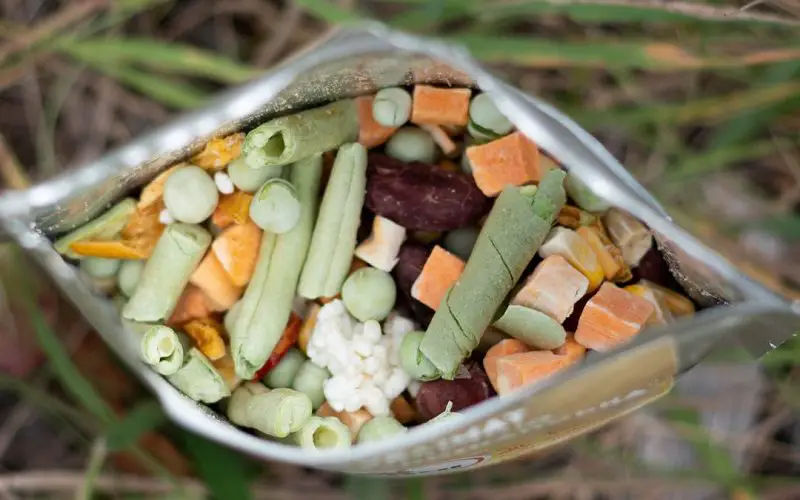
In survival situations, food that is found or hunted may not always be consumed immediately. Without refrigeration, preserving food becomes essential to prevent spoilage and waste.
Throughout history, people developed several methods to extend the shelf life of food using natural techniques. One common preservation method is drying or dehydrating food.
Removing moisture from meat, fruits, or vegetables slows the growth of bacteria and allows the food to last much longer. Thin strips of meat can be air-dried to create jerky, while fruits and herbs can also be dried for later use.
Another traditional method is smoking food over a low fire. Smoke helps dry the food while also adding protective compounds that slow spoilage. Smoking has been used for centuries to preserve fish and meat.
In colder climates, food can sometimes be stored underground where temperatures remain lower and more stable.
Building Improvised Cooking Tools

Cooking food improves both safety and nutrition during survival situations. Heat can kill harmful bacteria, soften tough foods, and make certain plants easier to digest.
However, when modern cookware is unavailable, it may be necessary to create improvised cooking tools using natural materials.
One simple method involves heating stones in a fire and placing them into a container of water to bring the water to a boil. This technique has been used for centuries when metal pots were unavailable.
Another option is constructing simple cooking surfaces using flat stones placed near a fire. These heated stones can act as natural cooking plates for meat, fish, or plant foods.
Wooden sticks can also be used to create roasting spits or skewers for cooking food over an open flame. In some situations, food can even be wrapped in large leaves and placed near hot coals to steam slowly.
Tracking Animals and Reading Signs

Understanding how to track animals can be extremely valuable in survival situations where hunting or locating wildlife becomes necessary.
Even if you are not actively hunting, tracking skills can help you locate water sources, identify animal activity in an area, and better understand your surroundings. Animal tracks are one of the most obvious signs to look for.
Different species leave distinct footprints that can reveal the type of animal, its size, and the direction it is traveling. Fresh tracks may also indicate that animals are nearby.
Other signs include broken branches, disturbed soil, droppings, and feeding marks on plants or trees. These clues can help determine where animals frequently travel or feed.
Tracks near water sources are especially common, as animals rely on regular access to water just like humans do. Following these patterns can sometimes lead you to reliable water supplies as well.
Staying Warm and Preventing Hypothermia

Maintaining body temperature is one of the most important aspects of survival, particularly in cold or wet environments.
Hypothermia occurs when the body loses heat faster than it can produce it, and it can become life-threatening surprisingly quickly.
Cold weather, wind, rain, and wet clothing all increase the risk of losing body heat. Even moderate temperatures can become dangerous if a person becomes wet and exposed to wind for extended periods.
Proper layering is one of the most effective ways to stay warm. Multiple layers of clothing trap body heat while allowing moisture to escape. Natural insulation such as dry leaves, grass, or pine needles can also be used inside clothing or shelters to improve warmth.
Building a well-insulated shelter and maintaining a reliable fire are also essential for preventing heat loss during cold nights.
Basic Self-Defense and Situational Awareness

In some survival situations, personal safety may involve more than environmental challenges. Being aware of your surroundings and maintaining good situational awareness can help you avoid dangerous encounters with wildlife or other potential threats.
Situational awareness involves constantly observing your environment and recognizing potential risks before they become problems. This might include noticing unusual sounds, tracks, changes in weather, or unfamiliar activity nearby.
Maintaining awareness of escape routes, shelter locations, and safe travel paths can also help you respond quickly if conditions change.
Basic self-defense knowledge can provide an additional layer of safety, especially when traveling alone in remote areas. While avoiding conflict is always the best option, understanding how to protect yourself if necessary can increase confidence and preparedness.
In many cases, simply staying alert and aware of your surroundings is the most effective way to prevent dangerous situations before they occur.
Building Simple Hunting or Fishing Tools

In longer survival situations, having the ability to obtain protein can become increasingly important. While trapping and fishing were discussed earlier, knowing how to build basic hunting or fishing tools from natural materials can greatly improve your chances of success.
One of the simplest tools is a basic fishing spear, which can be made by splitting the end of a sturdy stick into several sharp prongs. This type of spear can be used to catch fish in shallow water or small streams.
Improvised fishing hooks can also be made using small bones, carved wood, or bent pieces of metal if available. Combined with cordage made from plant fibers, these hooks can form a functional fishing line.
Simple hunting tools such as throwing sticks or sharpened wooden spears have been used by humans for thousands of years. While they require practice to use effectively, they can provide a valuable food source when modern equipment is unavailable.
Improvising Containers for Water and Food

Containers are incredibly useful in survival situations, especially for carrying water, storing food, or cooking. However, when modern containers are unavailable, it may be necessary to improvise using natural materials or found objects.
Large leaves, hollow pieces of wood, and even carved sections of tree bark can sometimes be used as temporary containers. In some environments, bamboo or other hollow plants can naturally hold water.
Natural materials can also be shaped into small baskets or woven containers using flexible branches or plant fibers. These containers may not last forever, but they can serve important purposes in the short term.
In addition, many survival situations involve repurposing items that might otherwise be discarded. Metal cans, bottles, and other everyday objects can be cleaned and reused to store water or cook food over a fire.
The ability to improvise containers helps make other survival tasks, such as water collection, food preparation, and storage, much easier.
Understanding Natural Landmarks for Navigation

In wilderness environments, natural landmarks can provide important clues about location and direction. Even without a compass or map, experienced travelers often rely on terrain features to guide their movement.
Mountains, rivers, valleys, and large rock formations can serve as reliable reference points when navigating unfamiliar areas. Following rivers or streams can sometimes lead to larger bodies of water or eventually to roads and settlements.
Ridgelines and elevated areas also offer useful vantage points for observing the surrounding landscape. From higher ground, it becomes easier to identify landmarks, determine travel direction, and avoid obstacles.
Paying attention to the position of the sun, the slope of the land, and the flow of water can also provide helpful navigation clues.
Developing the habit of observing natural landmarks not only helps prevent getting lost but also builds a stronger awareness of the environment.
Improvising Basic Clothing and Insulation

Proper clothing plays an important role in survival, especially when facing extreme temperatures or changing weather conditions. In situations where clothing becomes damaged, wet, or inadequate, knowing how to improvise insulation can help maintain body heat and prevent exposure.
Natural materials such as leaves, grass, moss, and animal hides can provide additional insulation. These materials can be packed inside clothing layers or wrapped around the body to trap warm air and reduce heat loss.
Even simple adjustments, such as stuffing dry grass into boots or sleeves, can make a noticeable difference in cold environments. Large leaves or bark can sometimes be used as temporary coverings to block wind or rain.
In warmer climates, loose natural coverings may also provide protection from sun exposure. The goal is to create layers that help regulate body temperature while protecting against environmental conditions.
Building Long-Term Survival Shelters
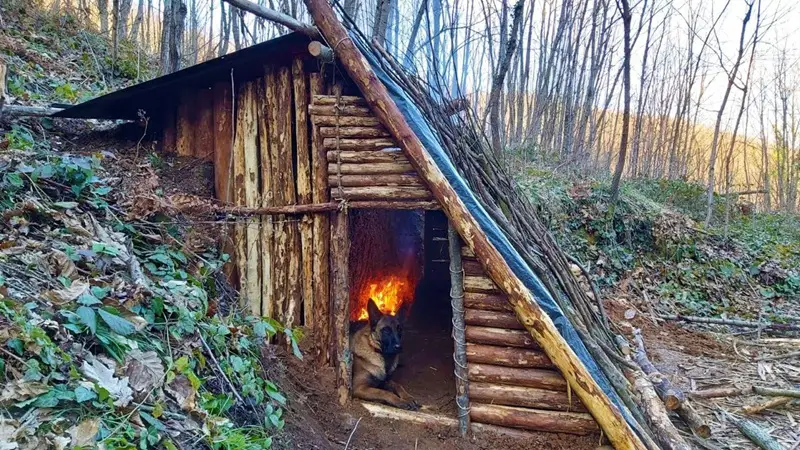
While temporary shelters can provide short-term protection, longer survival situations may require more durable structures. A well-built long-term shelter can protect against weather, retain warmth, and provide a stable place to rest and store supplies.
Long-term shelters often require stronger support structures made from sturdy branches, logs, or other natural materials. These frameworks can then be covered with layers of vegetation, bark, or other insulating materials to provide protection from rain and wind.
Location is especially important when building a permanent shelter. It should be placed on dry ground, away from flood-prone areas, and ideally near water sources while still remaining safe from hazards like falling branches or landslides.
Building a long-term shelter also allows for improvements over time, such as adding better insulation, reinforcing walls, or creating storage spaces.
Maintaining Mental Resilience in Survival Situations

Physical survival skills are important, but mental resilience can be just as critical. Survival situations often involve stress, uncertainty, and difficult conditions.
Maintaining a calm and focused mindset helps individuals make better decisions and conserve energy. Panic can lead to poor choices, such as traveling in dangerous conditions or wasting valuable resources.
Instead, experienced survival experts recommend focusing on small, manageable tasks—such as building shelter, collecting water, or starting a fire.
Setting simple goals and maintaining a routine can also help reduce stress. Even basic actions like organizing supplies or improving shelter conditions can provide a sense of progress and control.
Positive thinking and determination often play a key role in survival outcomes. Many real-life survival stories highlight how mental strength and persistence helped individuals endure difficult conditions until rescue arrived.
Planning and Preparing Before Emergencies

One of the most important survival skills actually begins before an emergency ever occurs. Preparation and planning can greatly reduce the risks associated with unexpected events.
This may include building emergency kits, learning basic survival skills, studying local environments, and creating plans for different types of emergencies.
Knowing how to respond to natural disasters, power outages, or unexpected travel situations can make a significant difference. Preparation also means developing practical skills ahead of time.
Learning how to start a fire, navigate without GPS, purify water, or identify edible plants is far easier when practiced in a controlled environment rather than during an actual emergency.
Preparation does not require extreme measures. Even small steps can improve readiness and confidence. By planning ahead and building useful skills, individuals and families can become more capable of handling unexpected challenges.
Wrap-Up
Survival skills are not only useful in extreme wilderness situations. Many of these abilities can also help people respond more effectively to everyday emergencies such as natural disasters, power outages, or unexpected disruptions.
Learning even a few of these skills can increase confidence and self-reliance while improving your ability to adapt when conditions change.
Survival skills are ultimately about adaptability, awareness, and preparation. The more knowledge and experience you build over time, the better equipped you will be to face unexpected challenges with confidence.